Theory
The course approaches global society from a multidisciplinary perspective, with a strong grounding in sociology and International Relations. It combines theoretical discussion with empirical analysis of contemporary global problems.
Indicative topics include:
- Global Society as an object of analysis
- The roots and historical development of globalisation
- Main theories of globalisation and global modernity
- Capitalism, world-systems, inequality and uneven development
- States, sovereignty and global governance
- Multipolarity, China and the transformation of world order
- Geopolitical conflict, security, sanctions and strategic chokepoints
- Migration, borders, mobility and transnational social life
- Race, ethnicity, religion and cultural diversity in global societies
- Global culture, cultural homogenisation and cultural diversity
- Populism, democratic backsliding and threats to liberal democracy
- Climate crisis, energy transitions and ethical consumption
- Global health, pandemics and social vulnerability
- Digital capitalism, artificial intelligence, platforms and digital divides
- Gender and sexuality in global perspective
- Global cities, labour transformations and future social risks
Practice
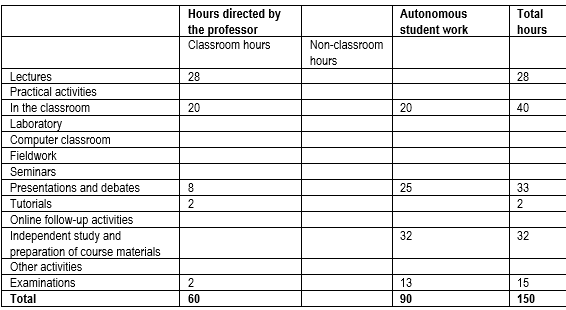
Practical sessions will be based on readings, case studies, short reports, data, visual materials, documentaries, news analysis and structured debates.
Practical activities will focus on the application of course concepts to contemporary global processes, including global governance, inequality, migration, conflict, climate change, digital transformation, cultural diversity and transformations in the international order.
The course will normally include five compulsory readings or materials assessed through in-class practical activities. These materials may include academic articles, book chapters, institutional reports, newspaper articles, datasets, policy documents or audiovisual resources selected by the professor.
Students will be expected to read or prepare the assigned materials before class. Assessment will take place in class and will evaluate their capacity to understand the materials, identify their main arguments or evidence, connect them with course concepts and discuss them critically through individual or group exercises, oral discussion, short written outputs, conceptual application, case comparison or structured debate